
Sustainability
Made to last generations
We supply timber for things that are meant to last — tables, beams and worktops that will see us into the ground, and our kids and their kids too.
Grown in this county, not shipped across the world. It's that simple.
Low-impact by design
No offsets or grand claims — just the way we work, on every order.
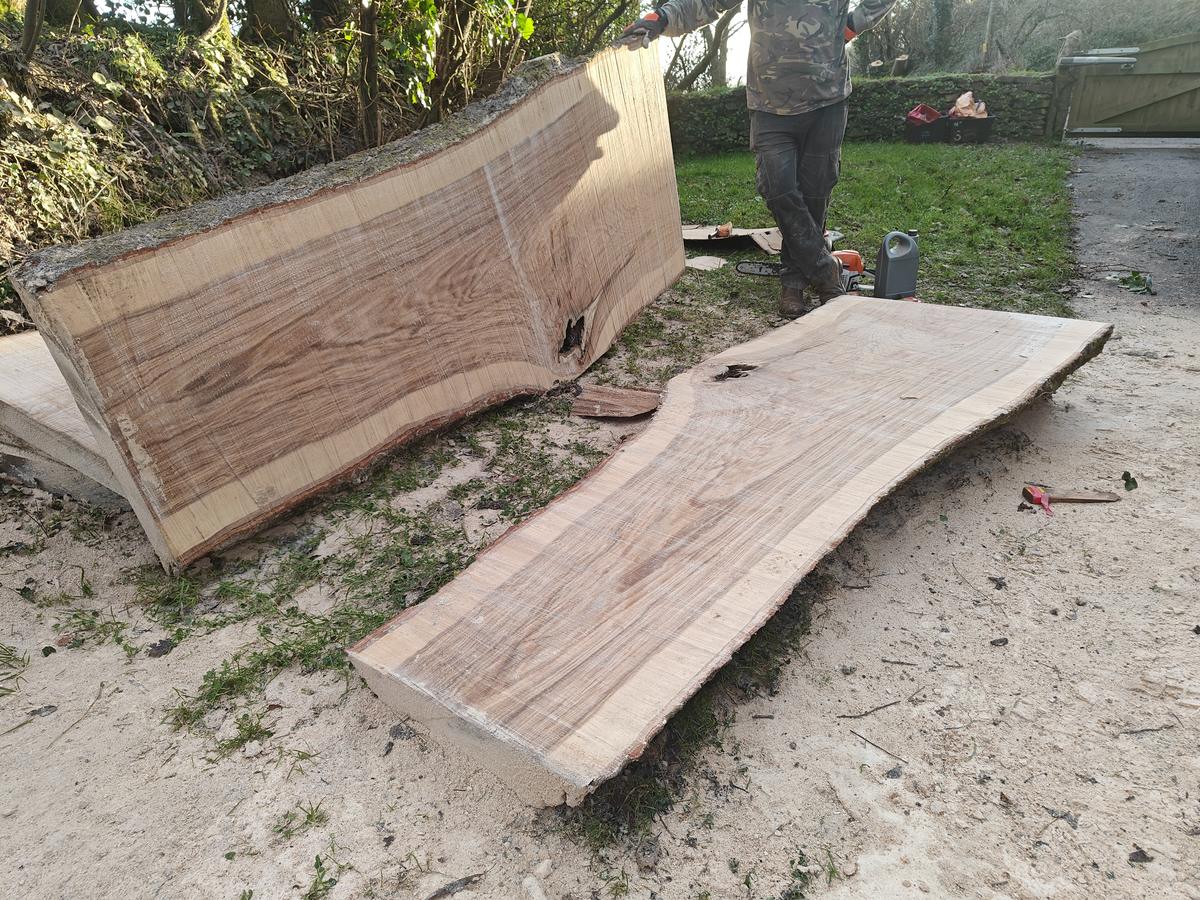
Every board was a tree in Cornwall. No imported stock, ever.
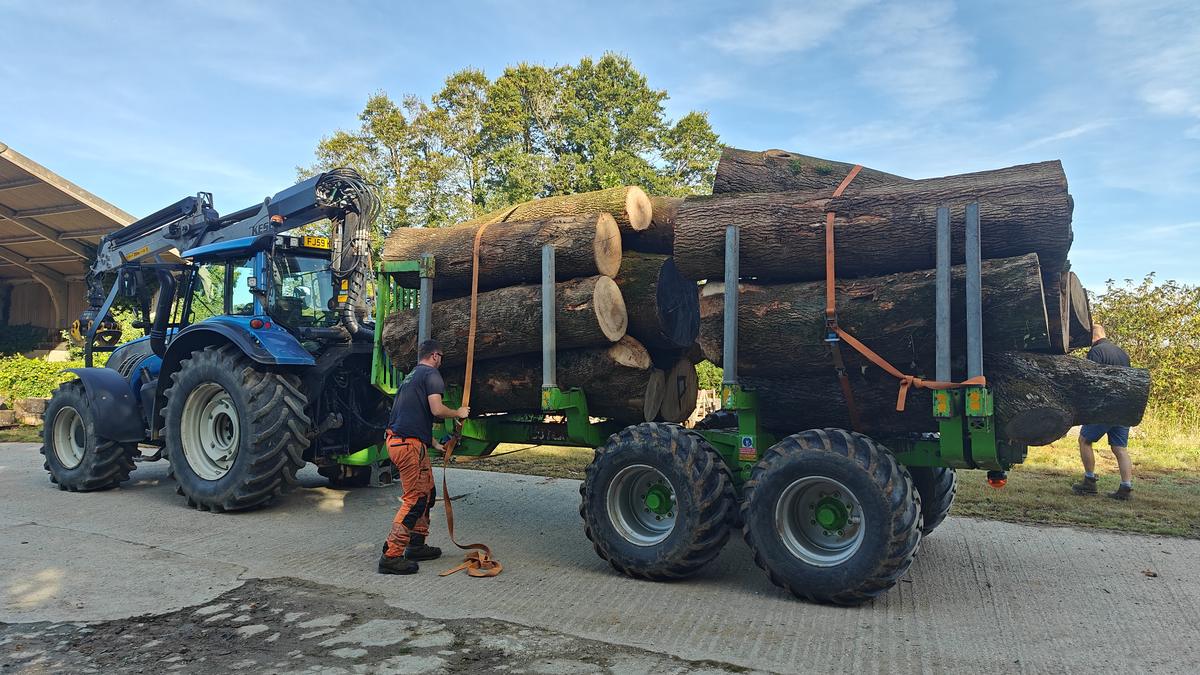
Typical distance from where the tree stood to our mill. Thirty at the very most.
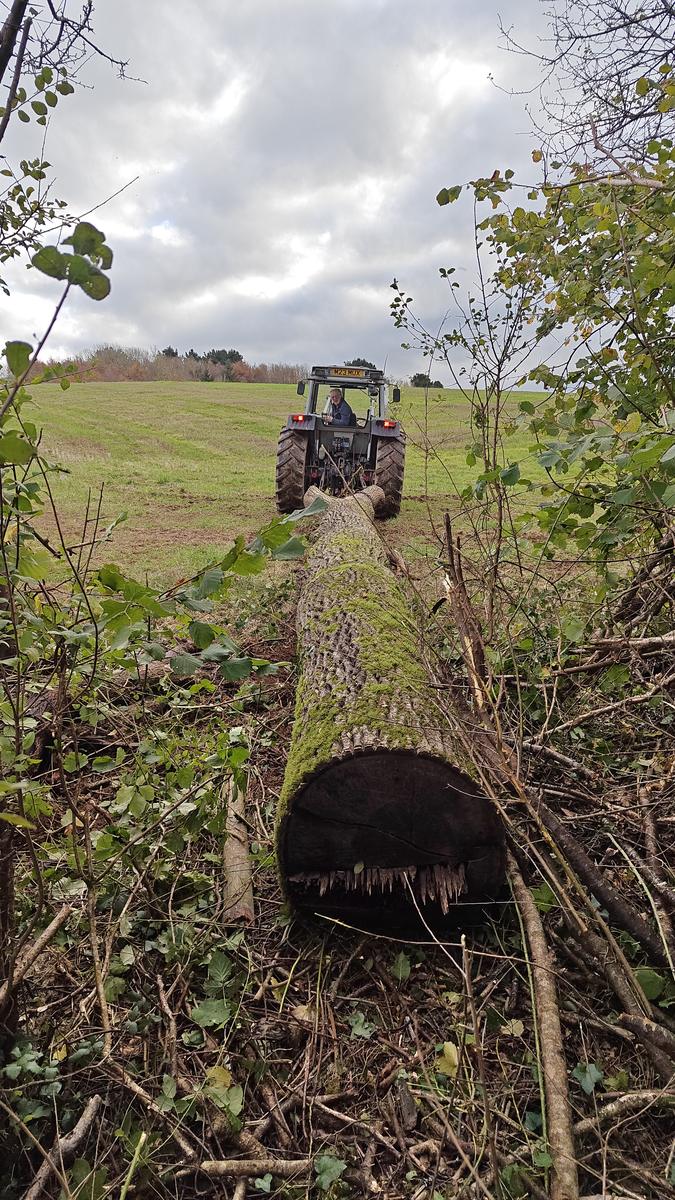
We only mill trees that are already down — windfall, storm damage, or felled by others for safety or conservation.
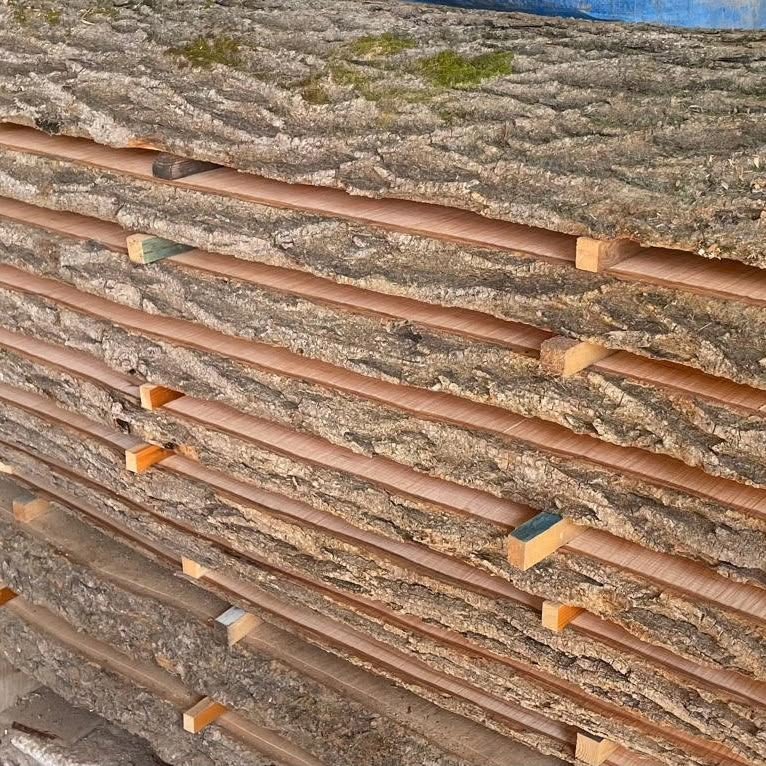
Air-dried under cover in the yard, never kilned. Time does the work.
Timber security
We talk a lot about food security and energy security, but relatively little about timber security. The UK grows only a fraction of the wood it uses, and England is one of the least wooded countries in Europe. Cornwall, at 9.2%, has less woodland still.
Woodland cover, share of land area
of all the wood the UK uses is imported.
of the sawn hardwood used in the UK is imported.
The UK is the world's second-largest net importer of wood, after China.
Where the UK's wood comes from
- All wood20% UK · 80% imported
- Sawn softwood35% UK · 65% imported
- Sawn hardwood7% UK · 93% imported
Every board we mill from a Cornish tree is one that didn't need shipping across the world.
Sources: Forest Research, Forestry Statistics 2025 (UK woodland area, March 2025); Forest Research, UK Wood Production and Trade (imports and net imports, 2023); Forest Research, Forestry Statistics 2025: Trade (sawn softwood and hardwood, 2024); UK Wood Production and Trade 2025 (UK softwood and hardwood harvest, 2024); Eurostat (EU, Finland and Sweden forest cover, 2023); Friends of the Earth, woodland cover by local authority (Cornwall, 2020, from the Forestry Commission's National Forest Inventory).
Timber with a known provenance
Ask us where your boards came from — we can usually tell you which tree.